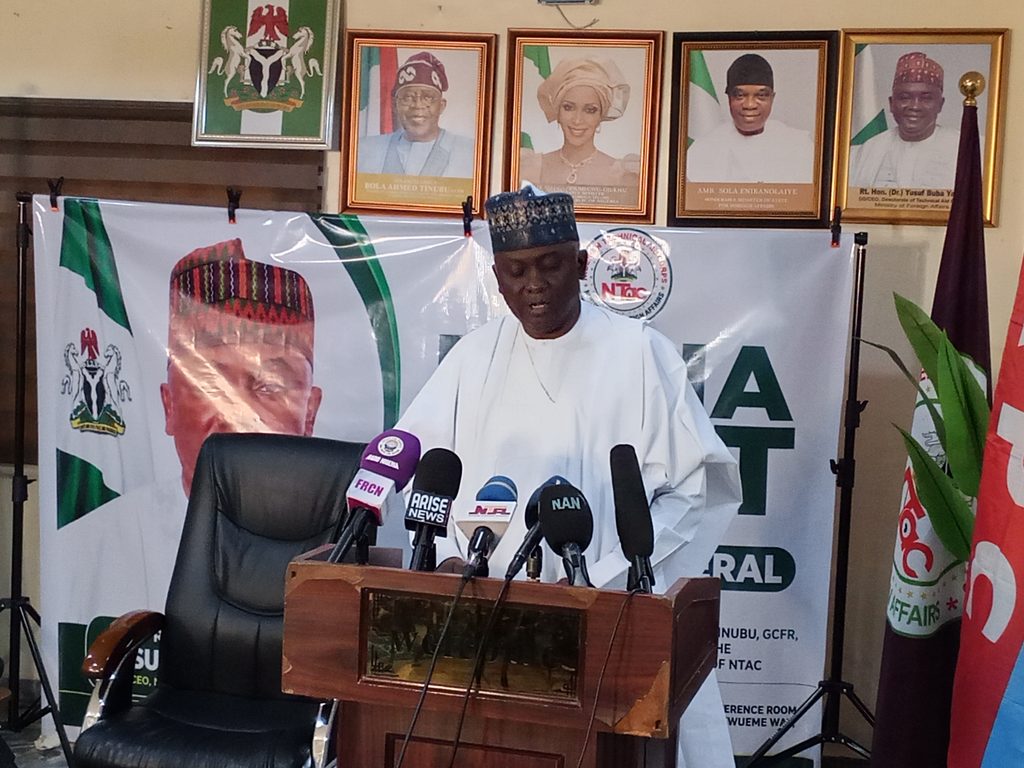
At a landmark media interaction in Abuja on September 17, 2026, the Director-General of the Nigerian Technical Aid Corps, Rt. Hon. Yusuf Buba Yakub, unveiled a three-year record of achievement that redefines how the world thinks about Nigeria’s place in global development.
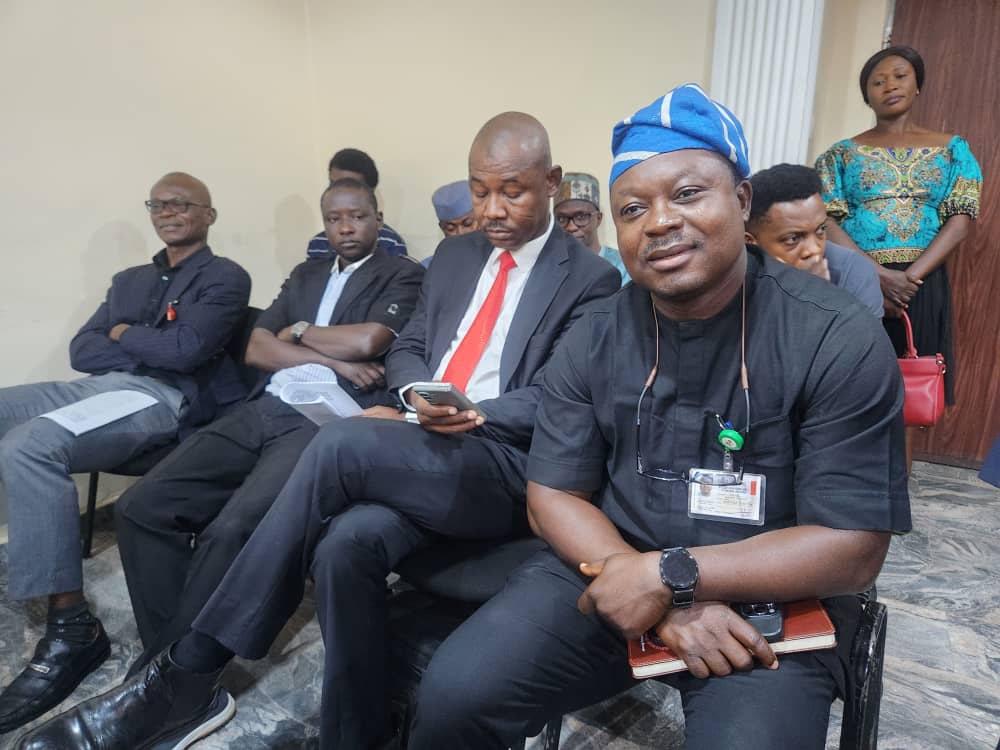
On Thursday, September 17, 2026, the Director-General and Chief Executive Officer of the Nigerian Technical Aid Corps (NTAC), Rt. Hon. Yusuf Buba Yakub, stood before members of the Nigerian media at the NTAC Complex in Abuja to present a clear and detailed account of what the agency has achieved under the administration of President Bola Ahmed Tinubu.
What emerged was more than a routine scorecard. It was a compelling story of how one of Nigeria’s most important instruments of soft power diplomacy is being revitalised, expanded and strategically repositioned to serve both national interest and international development.

A Strategic Instrument of Foreign Policy
Established in 1987, the Nigerian Technical Aid Corps has over the decades deployed more than 10,000 Nigerian professionals to over 40 countries across Africa, the Caribbean and the Pacific. These volunteers have served in education, medicine, engineering, law, agriculture, science and technology, leaving lasting footprints of competence and service.
Under President Tinubu’s 4-D Foreign Policy framework — Democracy, Development, Demography and the Diaspora — NTAC has found renewed purpose. Director-General Yusuf Buba Yakub has aligned the agency with this vision through what he describes as his strategic 3-R Agenda: Repositioning, Retooling and Re-engineering the Corps for greater relevance and impact.
Key Achievements Under the Tinubu Administration
In the past three years, NTAC has recorded measurable progress across several fronts:
Revitalisation of the Technical Aid Corps Scheme
Regular deployments of Nigerian professionals have continued, while returning volunteers from countries such as Uganda, Guinea-Bissau, Sierra Leone and The Gambia have been received and debriefed. Each returning volunteer carries new knowledge and international experience that can benefit Nigeria.
Improved Welfare for Volunteers
Greater attention has been paid to the welfare, allowances, monitoring and reintegration of volunteers. The guiding principle remains simple: any Nigerian sent abroad to serve the nation’s interests must be treated with dignity.
Growing Impact in Partner Countries
Nigerian TAC volunteers are increasingly occupying positions of responsibility. In The Gambia, for instance, they serve as university vice-chancellors, deputy vice-chancellors, school administrators, judges and legislative drafting professionals. These roles quietly strengthen institutions and enhance Nigeria’s image abroad.
Strengthening Soft Power Diplomacy
Diplomacy, as the Director-General emphasised, is not conducted only in conference rooms. It is also a Nigerian doctor treating patients, a lecturer teaching students, an engineer solving development challenges, or a lawyer helping to strengthen legal systems in partner nations. Every volunteer becomes an ambassador of Nigeria.
Expansion of South-South Cooperation
Partnerships across Africa, the Caribbean and the Pacific have been deepened. Technical assistance is being reframed not as a one-way relationship but as mutual cooperation that benefits both Nigeria and receiving countries.
Skilled Labour Export with Dignity
NTAC is exploring structured programmes that allow Nigerian professionals to serve international markets under fair and mutually beneficial arrangements. Interest from countries such as Jamaica signals the growing global demand for Nigerian expertise.
Institutional Reforms and Capacity Building
Within Nigeria, offices have been renovated, operational capacity strengthened, and training programmes introduced for staff and Foreign Service officers. Accountability mechanisms, including proper debriefing of returning volunteers, have also been reinforced.
A New Status on the Global Stage
One of the most significant developments highlighted is Nigeria’s changing position in global development cooperation. Through the long-standing work of the TAC Scheme, the Total Official Support for Sustainable Development (TOSSD) framework has redesignated Nigeria not only as a recipient but as a major contributor to the Sustainable Development Goals. Nigeria’s subsequent membership of the TOSSD Steering Committee further underscores this shift.
Looking Ahead
While challenges existed when the current leadership assumed office, many of them — including difficulties linked to foreign exchange fluctuations — have been addressed through supportive government policies. The vision now is clear: to transform NTAC into a globally recognised platform for technical cooperation, professional exchange, skilled labour mobility and soft power diplomacy.
Director-General Yusuf Buba Yakub closed his address with a strong appeal to the Nigerian media. He urged journalists to tell the human stories of Nigerian professionals serving abroad — the doctors, teachers, engineers, lawyers and scientists whose quiet work helps build institutions and friendships across the world.
“These are the human faces of Nigeria’s foreign policy,” he said.
In the end, the story of NTAC under the Tinubu administration is a story of renewed confidence. It is the story of Nigerian knowledge crossing borders, of South-South cooperation in action, and of a country deploying one of its greatest assets — its people — in the service of humanity.
